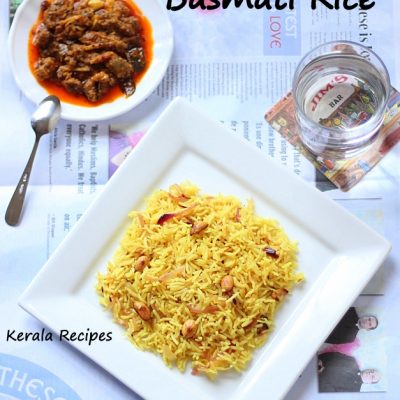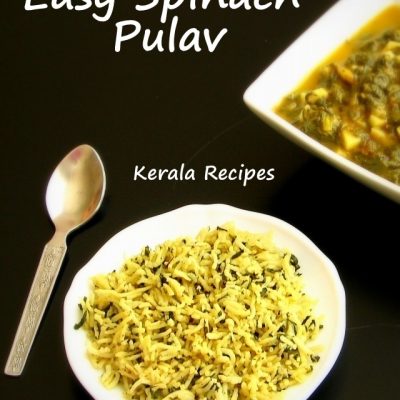
I was running out of time to make lunch before hubby came home. I looked into my pantry and refrigerator couple of times trying to come up with something. That’s when I saw a lemon and immediately had an idea. I decided to make a Lemon Flavored Pulav with Basmati Rice similar to South Indian Lemon Rice. Since Basmathi Rice cooks in 10-12 minutes, I ended up with a flavorful meal in less than thirty minutes.
Lemon Flavored Basmati Rice
The roasted peanuts give a nice crunch to this Pulav. The rice has a delicate flavor of lemon and isn’t spicy. Kids will like this mild tasting Lemon Rice. We had this Lemon Pilaf with homemade Fish Pickle. You can also serve it with any spicy meat based curries.
Indian Lemon Pulav
Ingredients
Basmati Rice or any Long Grain Rice – 1 cup
Lemon – 1 medium
Thinly Sliced Red Onions – 1 small
Cumin Seeds (Jeerakam) – 1/4 tsp
Peanuts – a small handful
Turmeric Powder – 1/4 tsp
Ghee – 1 tsp
Oil – 2 tsp
Sugar – 1.5 tsp
Salt – to taste
Water – 1 cups
Preparation Method
Soak the Basmati rice for ten minutes. Wash thoroughly and drain it.
Squeeze juice from one lemon. Add it to 2 cups of water. Filter the liquid for seeds and keep aside.
Heat ghee and oil in a pan or kadai. Throw in the peanuts and stir fry until it begins to lightly brown. Add the cumin seeds and give a quick stir.
Next, add the sliced onions and saute until translucent.
Add the drained Basmati Rice to the pan and lightly fry for 2-3 minutes. Reduce heat, add turmeric powder and saute for a minute.
Pour the lemon water to the pan. Add 1.5 tsp sugar and salt to taste. Increase heat to medium-high and bring everything to a boil.
Cover the pan and cook for 4-5 minutes.
Reduce heat to low and allow the rice to cook for another 7-10 minutes until all water has been absorbed.
Open the pan and fluff gently with a fork to separate the rice. Serve warm.
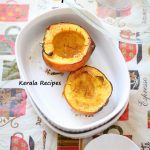
When I saw these cute little Acorn Squashes at the market, I couldn’t resist. I had no idea how to cook these and yet I bought. I have only used Pumpkinand Summer Squashes in my kitchen and that too for making savory curries. I hadn’t ventured out to the other squash varieties. Acorn Squash also known as Pepper Squash is a Winter Squash and is found abundantly during Fall and Winter. I know! I know! It’s summer but I still found these at the store.
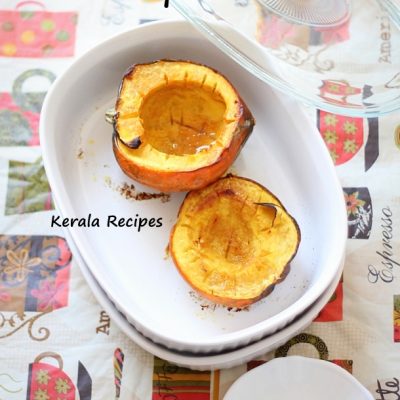
Roasted Acorn Squash
I searched for recipes and found many for Oven Roasted Acorn Squash on Martha Stewart and plenty of other sites. I thought if it’s so popular, it shouldn’t go wrong and decided to try it. Roasted Acorn Squash is a traditional way of making these cuties. The recipe is fairly simple with few ingredients but time consuming! Yes, all easy recipes are not quick! I didn’t know what to expect from this squash but I was flattered after the first bite. Such a delicate and sweet flavor! I loved it and finished it in one sitting. Glad that I took pics before tasting the first bite.
Maple Glazed Acorn Squash
This is such a versatile recipe. You could make it savory or sweet. You can serve it as a snack or even for dessert. These look so pretty on the table! The roasted flesh can be scooped out and you could serve it with Icecreamand Pralines. Yum!
Ingredients
Acorn Squash – 1
Salt – to taste
Maple Syrup – 4 tbsp
Butter (softened) – as needed for brushing
Preparation Method
Preheat oven to 400 degree F.
Cut the acorn squash into two halves. This is the tricky part. You need a really sharp knife to cut through the thick skin. If you see the pics, you will notice how my halves are not the same size but doesn’t matter!
Scoop out the seeds and fibrous stuff with a spoon.
Using your knife, stash the flesh couple of times.
Brush the insides of the squash with butter. Sprinkle salt to taste.
Bake it with the cut sides down for 20-30 minutes. Remove from oven. You will notice that the outer skin has softened.
Turn and then drizzle 2 tbsp maple syrup on the insides of each half.
Continue baking for another 20 minutes or until the top appears to be lightly brown. The maple syrup will form a nice glaze.
Serve warm with more salt and maple syrup if needed.
Note
When buying acorn squash look for the dark green variety which is beginning to turn orange here and there.
You can easily scoop out the flesh of the roasted squash with a spoon.
Try serving it with icecream and pralines or roasted nuts for the ultimate dessert.
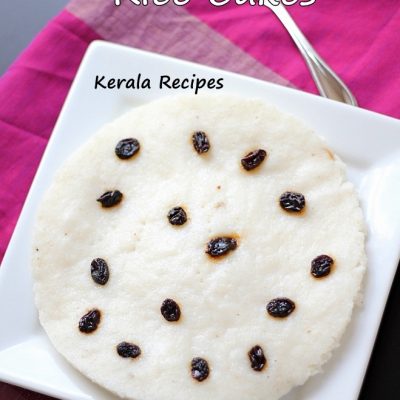
“Vattayappam” literally means “Round Cake/Bread”. It is a soft and fluffy ‘steamed rice cake’ often made for Tea. It is the only cake I think my maternal Ammachi (Grandma) used to make. Of course, there weren’t any ovens in my Grandma’s home. So, I guess steaming was the only way to come out with a cake. Now a days, Vatteyappam can be found in almost all bakeries. However, I like the homemade version better as it doesn’t have the overpowering taste of Yeast.
Vattayappam (Sweetened Rice Cakes)
The main ingredients for Vattayappam are same as that of other Appams – Rice and Coconut. In fact, I often use leftover Palappam batter for making Vatteyappams. You just need to add a few more ingredients to the batter and it is ready for steaming. My mother uses Jaggery (Sharkara) while making Vattayappam but I use sugar. The taste and texture differs if you use Jaggery instead of Sugar. I love the version with sugar since I feel it’s fluffier than the other one. There is also a more simpler way to make Vatteyappam using Rice Flour. However, this one tastes better.
Kerala Steamed Rice Cakes
Ingredients
For Appam Batter
Raw Rice (Pachari) – 2 cups (Use any short or long grain rice)
Cooked Rice – 3/4 cup approx
Yeast – 1.5 to 2 tsp
Sugar – 1 tbsp + 3-4 tbsp or as needed
Ice cubes – as needed
Water – as needed
Remaining Ingredients for Vatteyappam
Appam Batter – 2 to 2.5 cups
Grated Coconut – 1/2 cup
Sugar – 2-3 tbsp
Crushed/Powdered Cinnamom (Elakka) – 4 pods
Raisins – 10 to 15
Salt – to taste
Oil – for greasing
Water – a few teaspoons
Preparation Method
Soak the rice for atleast 6 hours or leave it overnight. Wash and drain the rice and keep aside.
Dissolve the yeast and 1 tbsp sugar in 1/2 cup of slightly warm water. Keep it aside for ten minutes until it foams.
Next, you need to grind the rice in several batches. Grind around two handfuls of raw rice along with a few tablespoons of cooked rice and very little water. I add 2-3 ice cubes while grinding each batch to prevent the mixie from overheating. Grind until you get a smooth batter.
Transfer the batter to large bowl. Continue doing this with the remaining rice.
While grinding the last batch, add the yeast solution to the mixie so that it gets incorporated well with the batter.
Leave the batter in a warm place for around 6 hours. I usually leave it overnight. Ensure that the bowl is large enough to prevent the batter from overflowing after fermentation.
The batter would have risen after fermentation and will look foamy. Stir the batter and keep aside. This batter can be used for making both Palappam and Vatteyappam.
Transfer 2 to 2.5 cups of this batter to another bowl for making Vatteyappam. You can use the remaining batter for Palappams or refrigerate it for later use.
Grind the grated coconut along with a few teaspoons of water to form a smooth mixture. Add it to the batter.
Add sugar as per desired sweetness (2-3 tbsp), powdered cardamom and salt to taste. Mix everything together. The batter should be somewhat thick and not watery. Keep this batter aside for 20-30 minutes so that it becomes foamy (optional).
Grease a round steamer plate and pour the batter into it. Steam it for 10 minutes. Open the lid and place the raisins on top. (Be careful not to burn your hands!)
Keep it covered and allow it to cook for 5 more minutes or until done. Insert a toothpick/fork to check if it comes out clean.
Once the vatayappam is cooked, allow it to cool thoroughly and then transfer it to a plate. Cut it into desired shapes and serve.
Note
You may need to adjust the amount of cooked rice used for preparing the batter. If you use too much of boiled rice, the appams will become sticky. If the rice used is less, appams won’t be soft. Try using 1/2 to 3/4 cup of cooked rice but not more than that.
While grinding the rice, try adding very little water. The unfermented batter should be thick as it will rise and thin out after fermentation.
If the batter appears watery after adding the coconut mixture, you can add a few tablespoons of rice flour to get the desired consistency.
You can also make these in Idli moulds if you don’t have a steamer.
All Contents and Images on this Website are Copyrighted. You may not copy, distribute or republish materials contained on this site without prior permission. Please ask.
Recent Comments